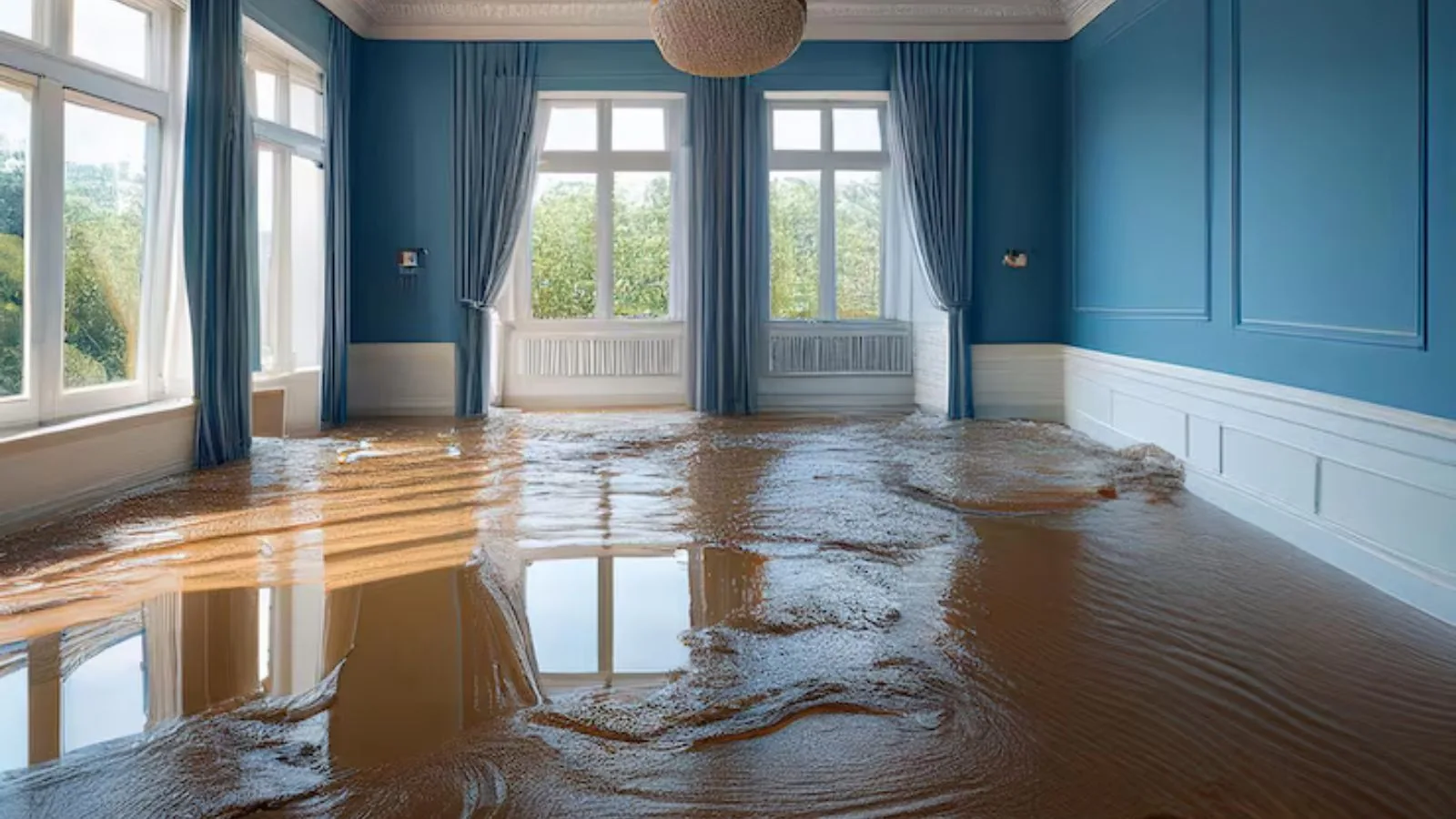
When water gets into a room, the most dangerous thing is often not the water but the electricity. Outlets, cords, appliances and the panel can all become hazards. This guide explains what to do about electronics and power in the first minutes of a water loss.
If there is any doubt, stay out and call 911 or an electrician. A computer is replaceable. You are not.
Power first, but only if it is safe
If you can reach the electrical panel without standing in water, turn off the breakers for the wet area. If the panel is in a wet room or you would have to walk through water to reach it, do not go in. Call an electrician or your utility to shut off power from outside.
Never touch an appliance, outlet or cord while standing in water or with wet hands.
Unplug what you can safely reach
Unplug devices that are dry and not in the water, working from a dry spot. Move small electronics, chargers and laptops to a dry, elevated place. Do not plug in or turn on any device that got wet, even if it looks fine. Water inside can short the circuit later or cause damage when power returns.
Photograph the make and model of damaged devices for your records.
| Item | What to do | What to avoid |
|---|---|---|
| Outlets and power strips in water | Keep power off, call an electrician | Touching them or plugging in |
| Laptops and phones | Power off, remove battery if possible, dry location | Heat and rice myths, turning on |
| Televisions and monitors | Leave unplugged, let a technician inspect | Turning on to test |
| Refrigerators and freezers | Keep closed, check with a technician | Running them if the motor was wet |
| Washers, dryers and water heaters | Shut off power, see appliance leak cleanup | Restarting before inspection |
Water near outlets or the panel?
Stay out, then call the 24/7 line. The crew works around electrical hazards and explains the plan first.
What restoration crews do about power
Drying equipment needs power, and a crew checks that circuits are safe and not overloaded before running it. If the electrical system is wet, an electrician should clear it first. A restoration crew dries the structure, and a licensed electrician tests and repairs wiring.
Ceiling leaks add a special risk because water can run through light fixtures. See ceiling water damage for how that is handled.
Power in a Ridgefield storm
Local NOAA normals, measured at Vancouver, show heavy winter rain, and storms can cut power at the same time water enters a house. Treat a power outage during a wet event as a reason for extra caution, since power can return suddenly.
Report downed lines and outages to your utility. For street flooding, the City of Ridgefield asks residents to call Public Works at 360-887-6002.
After the water is gone
Have an electrician inspect any outlets, panels or wiring that got wet before you restore power. Replace damaged cords and strips. Keep receipts, and document damaged devices.
Ask your insurer how electronics are covered. Coverage depends on the cause and your policy, so check the contents section.
Small devices that often survive
Devices that were never plugged in and only got splashed may recover, but give them time. Remove batteries and cases, dry the outside, and leave them in a dry room for several days before testing. Do not use a hair dryer, an oven or a microwave, which can melt parts.
If a device matters, ask a repair shop before you power it. Data from a wet hard drive or phone can sometimes be recovered if the device is not turned on again.
Smoke and carbon monoxide alarms
Alarms are electronics too. If water reached a hardwired alarm, replace it, and test every alarm in the home when power is back. Never leave a house without working alarms while you wait.
Appliances with motors and heating elements
Washers, dryers, dishwashers, refrigerators and water heaters can all be damaged by water at the base. Even if they look dry, moisture can sit near motors and wiring. Keep them off until a technician has inspected them, and leave gas appliances to the gas utility or a licensed technician.
If you smell gas, leave the house and call 911 from outside. Do not turn lights or devices on or off.
A calm sequence for the first ten minutes
- Get people and pets out of the wet area
- Stop the water if the valve is dry and reachable
- Turn off power at the panel only if you can do it safely
- Unplug what is dry and out of the water
- Photograph from a safe spot
- Call a restoration crew and your electrician
Surge protection and prevention
Surge protectors do not make a wet outlet safe. Keep important electronics off the floor, use shelves in basements and garages, and consider a battery backup unit placed high. After a loss, replace power strips that were wet instead of drying and reusing them.
Frequently asked questions
What should I do first if water is near outlets?
Stay out of the water. Turn off power only if you can reach the panel while dry, otherwise call an electrician or 911.
Can I turn on a wet device to test it?
No. Water inside can cause shorts and further damage.
Is a wet refrigerator safe to run?
Have a technician inspect it if the motor or wiring got wet.
Do you repair wiring?
No. A licensed electrician tests and repairs wiring. We dry the structure.
Who do I call about a power outage?
Your electric utility. Street flooding goes to Ridgefield Public Works at 360-887-6002.