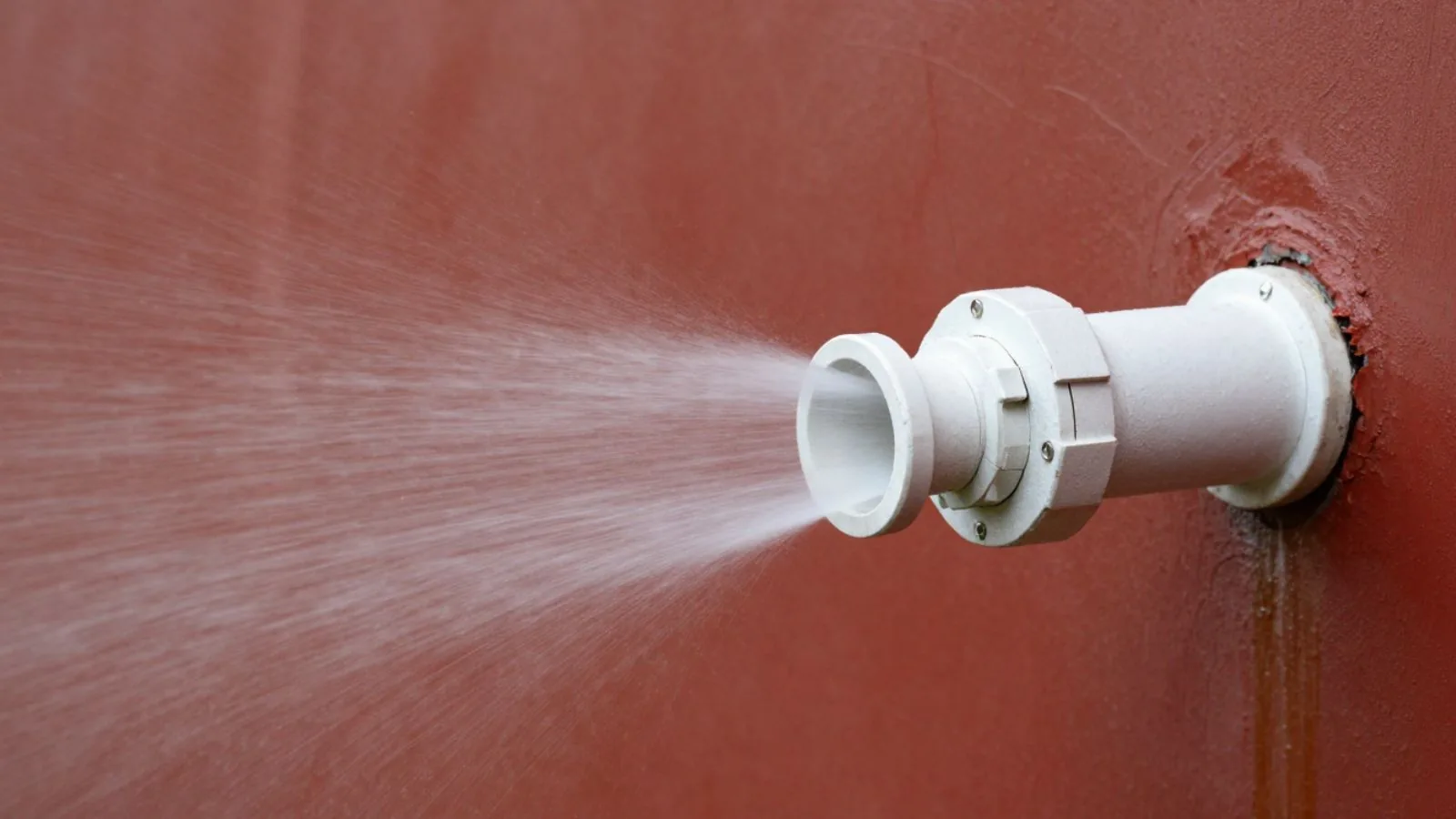
A frozen pipe rarely floods the house while it is frozen. The ice plugs the crack, and the water arrives when the pipe thaws, often in the middle of the night or while no one is home. This page is for that moment in Ridgefield, WA, and our line is open 24/7.
If you see water or hear it running, turn off the main valve at once. Open a faucet to drain the line, keep heat on in the house, and never use an open flame or a torch on a pipe. Photograph the damage, move belongings off wet floors, and call us before the water settles into the walls.
Frozen pipe emergency: thaw and flood
Thaw damage follows a pattern. A pipe in an exterior wall, an unheated garage, an attic or a crawl space freezes during a cold night. A split forms where the ice expands, and when temperatures rise the plug melts and the line leaks at full supply pressure.
That timing is how a thaw leak ends up running unattended. People leave for work, the pipe thaws, and nobody is home to see it. The first sign may be a stain on a ceiling below or a damp spot at a baseboard.
How cold it gets in Ridgefield
NOAA climate normals for the Vancouver station list an average December low of 35.0 degrees Fahrenheit and an average January low of 34.4. Those are averages, which means many nights run colder than the figure, and a cold snap with clear skies can drop well below freezing.
That is useful for planning. Pipes in unheated spaces deserve protection in the winter even though the average low sits above freezing, and a house left without heat while you travel is exposed to thaw damage. This page describes the mechanism rather than a local frequency, because no county source gives one.
| Pipe location | Why it freezes | What to do |
|---|---|---|
| Exterior wall behind a sink | Cold air reaches the cavity with little insulation | Open the cabinet doors on cold nights so room heat reaches the pipe |
| Garage or utility room | Unheated space, often a laundry supply line | Keep the garage door closed and insulate exposed lines |
| Crawl space or under-floor run | Vents and gaps let cold air in | Check the vents and insulation before winter, see crawl space water damage |
| Outdoor hose bib | Water left in the line behind the faucet | Disconnect hoses and close interior shutoffs before the first hard freeze |
Pipe split and thawing?
Shut off the main valve, then call. The crew can start extraction while you wait for a plumber.
What cleanup involves
Extraction comes first if water has pooled, followed by moisture mapping to find water that has traveled along framing or under flooring. Insulation that has soaked up water loses its value and is often removed, and drywall that stayed wet is opened so the cavity can dry.
Drying equipment then runs until the readings are back to normal, and the crew rechecks daily. The burst pipe cleanup page covers the steps that apply to any failed supply line, and rooms below the failure often need the approach on the ceiling water damage page.
Insurance notes for freeze losses
The Washington Office of the Insurance Commissioner states that burst pipes, including frozen ones, are usually covered if you heat your home properly. A house left cold for days can change the answer, so keep the heat on, and ask your insurer how your policy treats an unoccupied home.
Take photos of the split, the wet materials and the plumber's repair, and keep the invoice. Your adjuster will ask for the cause and the timeline.
What shapes the cost of this job
- Time before discovery. A leak that ran for hours soaks far more material than one caught in minutes.
- Rooms affected. Water from a thawed line often reaches the ceiling or room below.
- Insulation and drywall. Wet insulation and weakened board are removed, which adds to the rebuild scope.
- Drying days. Exterior walls and crawl spaces stay cool, which slows drying.
- Contents. Stored items in garages and crawl spaces may need cleaning or replacement.
Ask your insurer about any water damage sublimit on your policy. Coverage depends on your policy and on how the home was heated.
The standard we work to, ANSI/IICRC S500, is the reason wall cavities are measured and not just checked by touch after a thaw.
Where thaw damage calls come from
Thaw calls tend to arrive from several towns at once, so give your town up front. We cover Ridgefield, La Center, Heisson, Battle Ground, Camas, Washougal and Vancouver, with Woodland, Kelso and Longview also on the list.
Frequently asked questions
Do you handle frozen pipe emergencies at night or on weekends in Ridgefield?
Yes. The line is open 24/7, and thaw leaks often start at night or on weekends. The crew can begin extraction right away while you arrange the plumbing repair.
Is a frozen pipe covered by insurance?
The state insurance commissioner says burst pipes, including frozen ones, are usually covered when the home was heated properly. Your policy and the circumstances decide, so ask your insurer.
How do I know a pipe has frozen?
Common signs are a faucet that runs slowly or not at all in cold weather, frost on an exposed line, or a bulge in the pipe. Turn off the main valve and call a plumber before the line thaws.
Can I thaw a pipe myself?
Use gentle warmth such as a hair dryer on low while the faucet is open, never an open flame. If you suspect the pipe has already split, shut off the main valve first.
What does this page not cover?
It does not cover repairing or insulating pipes, which is plumbing work. It covers the water damage left behind.
Water still spreading? Call now.
Call the 24/7 line after you shut off the main valve.