Water you can see is the small part of a water loss. Structural drying deals with the moisture inside walls, framing, subfloor and concrete, and it is the step that decides whether a house is truly dry before it is closed up. This page explains structural drying and dehumidification in Ridgefield, WA. The line is open 24/7 for your call.
If your walls feel cool or damp, a room smells musty days after a leak, or the baseboards have lifted, that is a drying problem. Do not close wet walls up, do not rely on open windows in winter, and call for a moisture check.
Damp walls and a musty smell: the symptom that leads here
People rarely search for structural drying. They search for the symptoms, such as a wall that is still damp, carpet that never dried, a smell that returned or a floor that kept swelling. Those are signs that moisture was left behind.
Water mitigation is the broader term for stopping damage from spreading, and drying is its core. In practice that means measuring, removing what cannot dry, and then running equipment until readings come down.
| Step | What happens | Why it matters |
|---|---|---|
| Moisture mapping | Meters and a thermal camera locate wet material | Shows where water went, not just where it appears |
| Removal of unsalvageable material | Soaked insulation and weakened board come out | Wet material that cannot dry feeds humidity |
| Air movement | Air movers push dry air across surfaces | Evaporates water from the surface of materials |
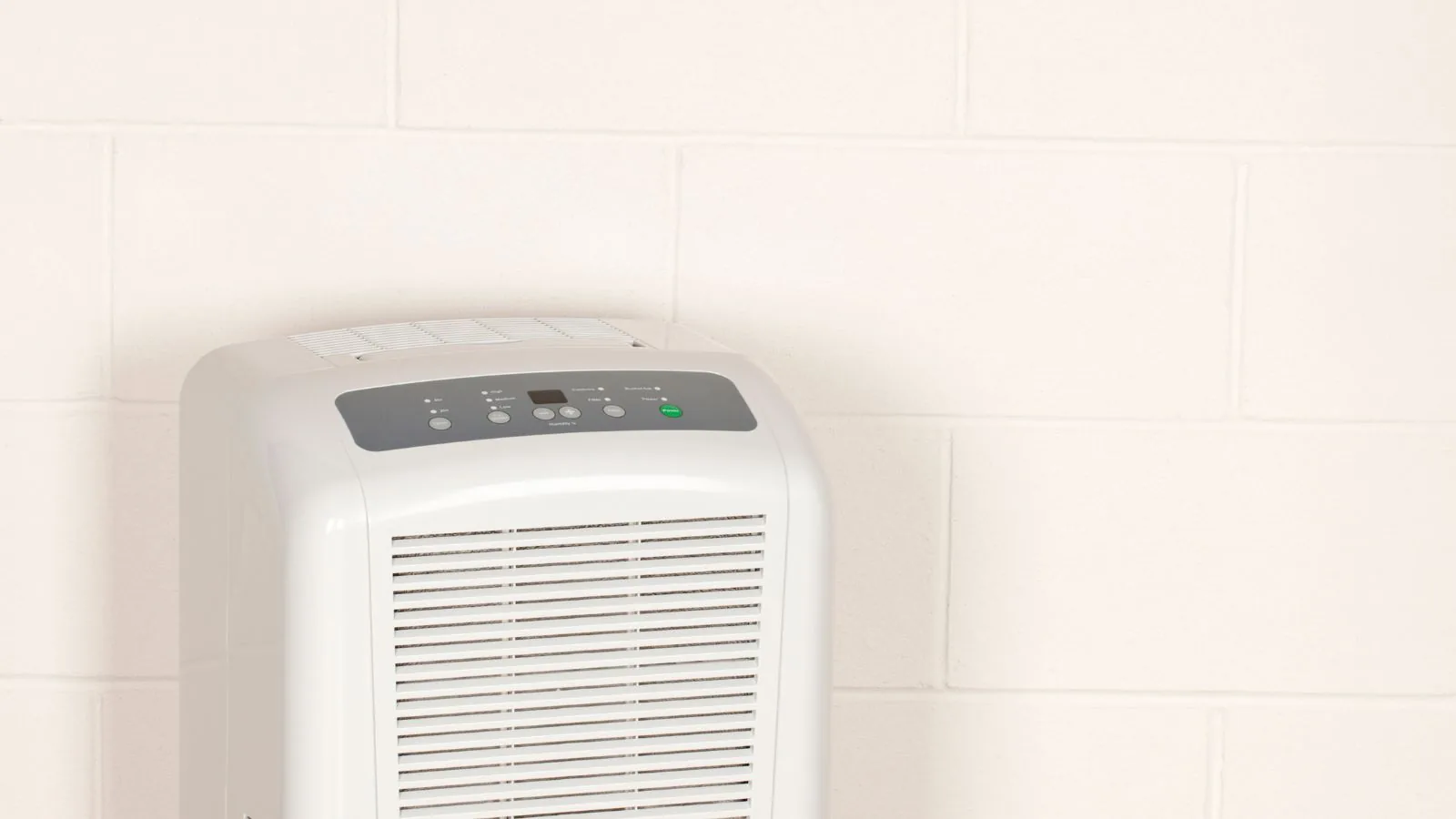
| Dehumidification | LGR dehumidifiers remove water vapor from the air | Lets the materials keep releasing moisture |
| Daily monitoring | Readings are retaken and equipment is adjusted | Drying ends when readings say so, not on a set date |
Walls still damp after a leak?
Call and ask for a moisture check. You get the scope and price up front.
How long drying takes
The honest answer is that readings decide it. Thin materials such as carpet dry in a few days, while framing, subfloor and concrete take longer, and thick or enclosed assemblies take longest. A house dried to the surface but not inside the wall can look finished and smell damp again.
Western Washington humidity helps explain why. The NOAA normals for the Vancouver station list rain above five inches in each month from November through January, so outdoor air in winter is damp. Opening windows does not dry a wet room in those months, and dehumidifiers do the work.
What the equipment does
Air movers create a layer of moving air across wet surfaces. LGR, or low grain refrigerant, dehumidifiers pull water vapor out of the air so the room can keep absorbing moisture from the materials. Moisture meters and thermal cameras show the progress.
The equipment is placed and adjusted on the job and removed when readings reach the target for each material. It is not rented out separately, and this line does not offer rentals. A drying plan that works in one room can fail in the next, which is why the placement is rechecked every day.
Drying and ANSI/IICRC S500
ANSI/IICRC S500 is the published standard for water damage restoration, and it describes the principles of drying and the monitoring of drying. Any company you consider can be asked whether its crews work to it. The water extraction page covers the first stage, and drying follows after pumping and removal.
Drying also underlies several specific jobs. The hardwood floor page, the wall and drywall page and the basement page each describe the material-specific side of the same process.
What shapes the cost of this job
- Number of wet rooms. Equipment count and days scale with the affected area.
- Materials. Thick framing and concrete need more time than carpet.
- Water category. Contaminated water adds removal and cleaning before drying.
- Humidity and temperature. Cool, damp conditions slow drying.
- Monitoring visits. Daily readings are part of finishing the job properly.
Ask your insurer how it treats drying and monitoring on your claim. Moisture readings and logs help document the loss.
Safety while equipment runs
- Keep cords out of standing water and off walkways
- Do not unplug or move equipment unless the crew says so
- Keep children and pets away from running machines
- Tell the crew about any breaker that trips
- Report new odors, stains or soft spots at once
Where drying crews work
Drying is the stage that runs for days, so the crew plans return visits by town. We serve Ridgefield first, then La Center, Heisson, Woodland, Kelso, Longview, Battle Ground, Camas, Washougal and Vancouver.
Frequently asked questions
Can I rent air movers and dehumidifiers from you?
No. Equipment is used on the job and removed when readings are normal. This line does not offer rentals.
How do I know my walls are dry?
Readings from a moisture meter and, where useful, a thermal camera. Feel and smell are not reliable.
Can I dry my house with box fans?
Fans move air but do not remove moisture from it, so in damp weather they can leave walls wet. A dehumidifier is what takes water out.
Is this the same as water mitigation?
Drying is the core of water mitigation. Mitigation also includes extraction and removal of unsalvageable material.
Will drying stop mold?
Drying removes the moisture that mold needs, but this page cannot promise any result. Health questions belong to a physician.