A water loss in a business is a business problem as well as a building problem. Each hour of closed doors costs money, and a pipe that fails over a weekend can soak a whole suite before anyone arrives on Monday. This page covers commercial water damage restoration in Ridgefield, WA, and our line is open 24/7.
Shut off the water to the affected area if you can do it safely, cut power to wet equipment, move inventory and records up and out of the water, and photograph everything. If anyone could be in danger from electrical hazards or contaminated water, call 911 first and then call us.
Commercial water emergency: when a building cannot wait
Commercial losses behave differently from a single-family leak. Water spreads across large open floors and into neighboring tenant spaces. It reaches stock, computers and records, and it often sits in carpet tile or over a slab beneath finished floors. The call may come from a property manager, a tenant or a vacant-building owner who learned about the loss from a city notice.
The first questions are the same everywhere. Where is the source, is the building safe to occupy, and who needs to be told? A clear answer lets the crew sequence extraction, drying and any phased reopening.
| Situation | What matters most | How the work is planned |
|---|---|---|
| Tenant space in a multi-unit building | Neighbors, shared walls and ceilings | Moisture mapping on both sides of a shared wall, coordinated with the property manager |
| Retail or restaurant floor | Reopening date and inventory | Extraction first, then drying in phases so part of the space can reopen |
| Office with computers and records | Contents and data | Move or protect contents, dry carpet tile and subfloor |
| Vacant or unattended building | Unknown duration of the leak | Full moisture mapping, since the leak may have run for days |
Water loss in your building?
Call and tell the dispatcher the address, the source and whether the building is occupied.
Large losses and vacant properties
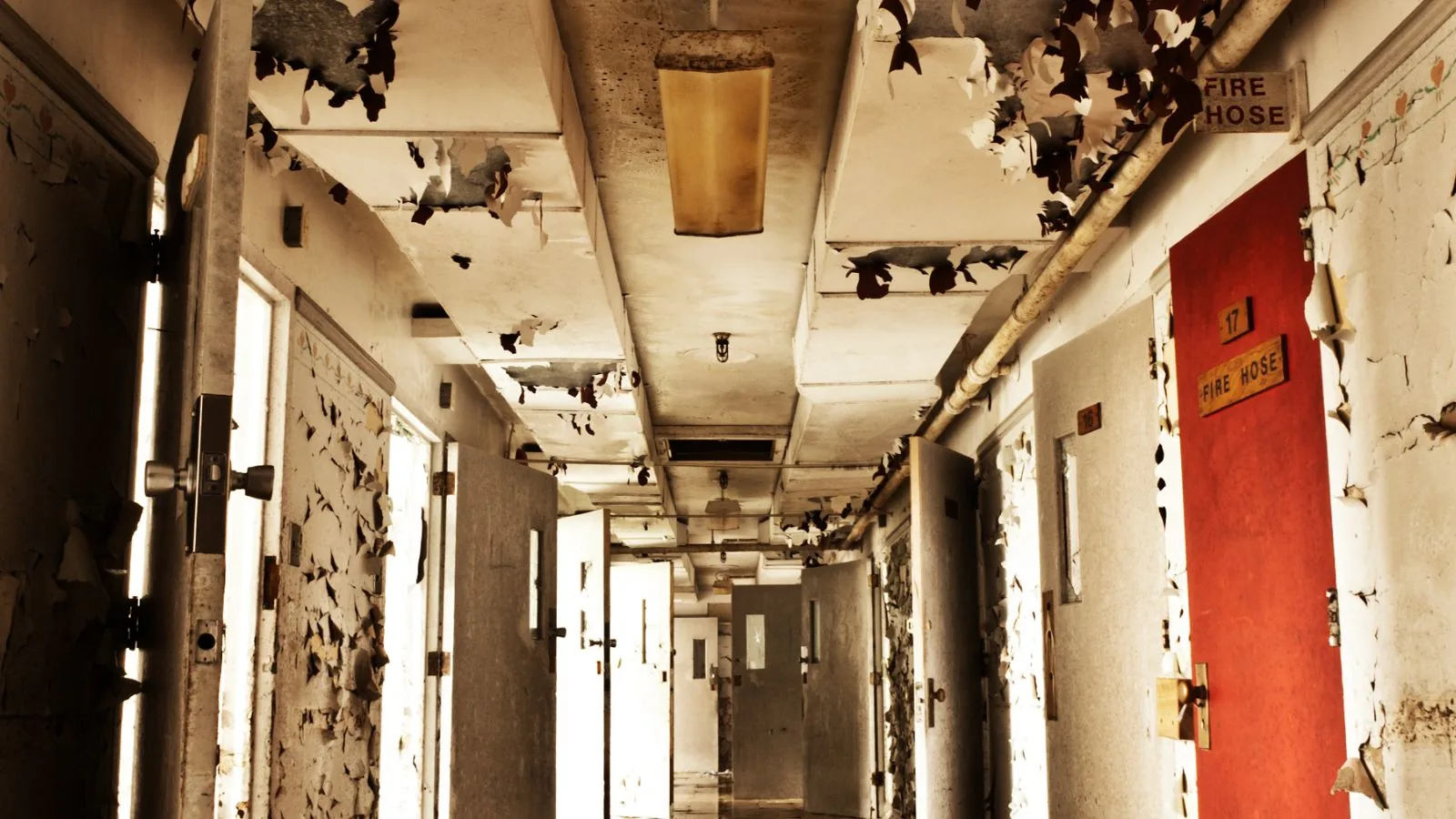
Vacant properties are a special case. A line that fails in an empty building can run for days, and callers describe large losses at vacant buildings where the main concern is insurance documentation. The crew's moisture map, photographs and written scope become the record of what was wet and when it was found.
A very large leak may also trigger a utility response. If the water bill spikes, the City of Ridgefield provides water in the city and its Utility Services office at 360-887-3557 handles account and shutoff questions.
Ridgefield's commercial areas
Ridgefield's own planning describes a growth area at the I-5 junction, connected to Historic Downtown by State Route 501 (Pioneer Street), with commercial and industrial development planned. Newer commercial buildings and older downtown buildings fail in different ways, so the first walkthrough checks what the building is made of before drying starts.
Downtown, the City's stormwater plan describes older development built before modern stormwater treatment requirements, with storm sewer discharging directly to Gee Creek and Lake River. Roof and downspout runoff in older blocks is worth checking after a heavy rain.
How commercial restoration works
The work follows ANSI/IICRC S500. Extraction and moisture mapping come first, then removal of materials that cannot dry, such as soaked carpet tile or insulation, followed by air movers and dehumidifiers across the affected area. Daily readings show when each area is ready.
Larger spaces mean more equipment and more days of monitoring, and the plan is explained before work starts. The extraction page and the structural drying page describe the two main stages, and a failed fire sprinkler or supply line follows the steps on the burst pipe page. Rebuild work may need a permit, so check with the city's Permit Center at 510 Pioneer Street, Suite B.
What shapes the cost of this job
- Size of the space. Square footage and ceiling height drive equipment.
- Occupancy and phasing. Keeping part of the building open takes planning.
- Contents. Inventory, furniture and records are moved, cleaned or replaced.
- Water category. Contaminated water adds cleaning and removal.
- Documentation. A clear scope and logs help property managers and insurers.
Commercial policies differ widely and may cover business interruption separately, so ask your insurer or broker. What your policy pays depends on its wording and the cause.
Safety checklist for a business or multi-unit building
- Clear the wet area and keep customers and tenants out
- Cut power to wet equipment only from a dry position
- Do not use elevators if water is in the shaft or pit
- Move records and inventory up and away from the water
- Call 911 for electrical hazards or contaminated water
Where commercial crews respond
Business calls come from Ridgefield and from the I-5 corridor towns of La Center, Woodland, Kelso and Longview, as well as Vancouver, Camas, Washougal, Battle Ground and Heisson. Give the address and the building type.
Frequently asked questions
Do you handle commercial water emergencies at night or on weekends in Ridgefield?
Yes. The line is open 24/7, which matters for businesses where a loss happens after closing or over a weekend.
Can part of the building reopen while you dry the rest?
Often, if the work is planned in phases and the unaffected area is safe. The crew explains the plan on site.
What if the building has been vacant?
Treat it as a larger and older loss. The crew maps moisture throughout and documents the extent for your insurer.
Do you deal with tenants and landlords?
The crew works with whoever authorizes the job, and the scope is documented so landlords, tenants and insurers can see it.
Do you cover fire or smoke losses?
No. This line covers water damage.
Water still spreading? Call now.
Call the 24/7 line and give the address and source.