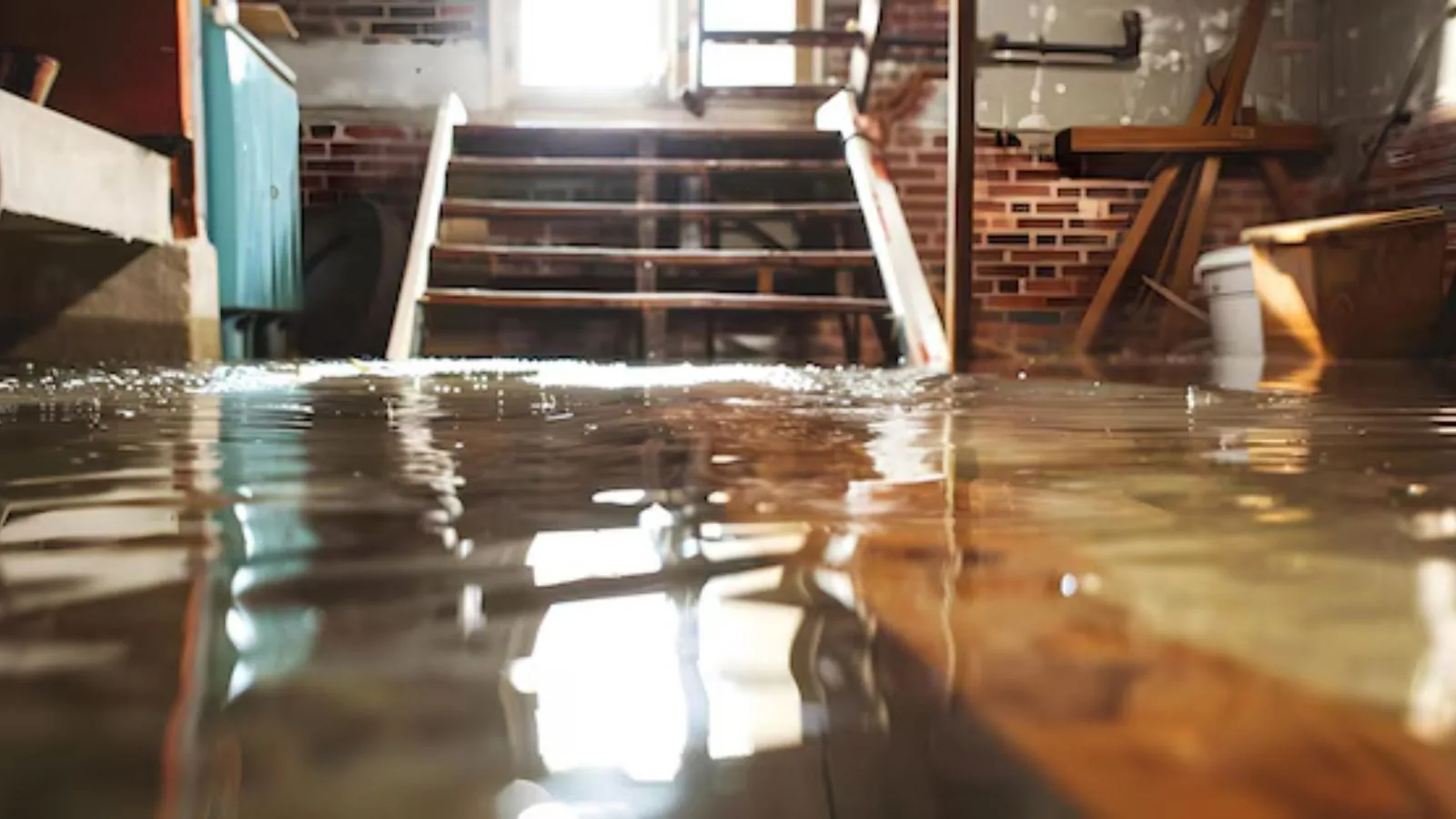
Family photos, tax records, the deed and old letters all matter more than the carpet. Most of them can be saved if you act quickly and gently. This guide covers what to do in the first hours and when to hand the work to a specialist.
Safety comes first. Do not wade into deep or dirty water to rescue paper. Call a crew if the water is contaminated or near electrical hazards.
Act within the first day
Wet paper and photographs stick together and start to degrade within a day or two, so speed matters. Take them to a dry area. Do not pull apart stuck items. Handle them by the edges and keep them flat. If they are muddy, rinse gently in clean water. Keep photographs from drying while face down on a surface, since the emulsion can stick.
If you cannot deal with them in a day or two, freezing wet paper stops further damage and buys time for a specialist.
| Item | First step | Avoid |
|---|---|---|
| Loose photographs | Rinse gently, air dry face up on clean paper | Pulling apart stuck prints |
| Documents and files | Separate with wax paper, air dry flat | Heat from a hair dryer or oven |
| Books | Stand upright and fan open, or freeze if many | Pressing or closing wet books |
| Photo albums | Photograph, then freeze or consult a specialist | Peeling pages by force |
| Important originals | Freeze, then call a conservator | Trying to dry in bulk |
Water in the room with your records?
Call the 24/7 line. Contents are moved out early so documents are not left sitting in water.
Make copies of what you need now
For legal and financial records, ask the issuing office for replacements. A county records office, bank or insurer can reissue many documents. Scan or photograph the ones you rescue so you have a digital copy.
For future protection, keep key papers in a sealed bag or a box on a shelf, not on the floor, and store digital copies off site.
Local places to ask for replacements
Clark County offices keep property and recorded documents, and the City of Ridgefield can help with city records. Ask the office that issued the document how to request a copy.
Rain data from the NOAA Vancouver station shows a wet winter, so storing paper in a closed bin above floor level in a garage or basement is a sensible habit here. The water extraction page explains how a flooded room is cleared.
Documenting the loss with your own photos
Besides saving old photos, take new ones of the damage itself before anything is moved. Photograph each room, the source and the damaged items. Keep copies in a place the water cannot reach, such as cloud storage.
These records support an insurance claim and a restoration scope. See structural drying for what a crew documents during the dry-out.
When to call a specialist
For irreplaceable items such as old photographs, maps, rare books and legal originals, a conservator or document restoration specialist may be worth the cost. Freeze the items first and ask. We handle structure drying, not paper conservation, and we will say so.
Setting up a drying station
Pick a room that stayed dry. Cover tables with clean paper towels or unprinted newsprint. Lay photographs face up, and stand books on their edges with the pages fanned. Run a fan on low across the room, but do not point it directly at the items, and keep the room cool.
Change the absorbent paper as it gets wet. Keep sunlight off the items, since it fades photographs and speeds curling.
A list of papers worth replacing first
- Property deed and mortgage papers
- Insurance policies
- Tax records for the last several years
- Birth certificates and passports
- Vehicle titles
- Medical records
Digital backups going forward
Once your papers are safe, scan them. A phone camera in good light is enough for most documents. Store copies in two places, such as cloud storage and a drive kept elsewhere, and name the files so you can find them later.
Do the same for photographs. Scanning the originals now protects you from the next incident and lets you share copies with family.
Why speed matters for paper
Water-soaked paper loses strength quickly, and ink can bleed or run. Wet photographs can stick to glass or to each other. Handling them early and gently preserves far more than waiting for a convenient weekend, so make this a first-day job if the room is safe to enter.
Do not use a hair dryer, an iron or an oven. Heat sets stains and warps paper.
Prepare a go-box for next time
Keep a small waterproof box with your key papers, a spare phone charger, a flash drive of scanned records and a list of important phone numbers. Store it above floor level. If water ever arrives again, you grab one box and your essential records are already safe.
Frequently asked questions
Can wet photographs be saved?
Often yes if you act within a day or two and handle them gently.
Should I use a hair dryer?
No. Heat can warp paper and fuse photographs. Air dry or freeze.
What does freezing do?
It stops further damage and buys time to reach a specialist.
Can I get replacements for important papers?
Often. Ask the issuing office or agency.
Do you restore documents?
No. We dry structures. A conservator handles irreplaceable paper.