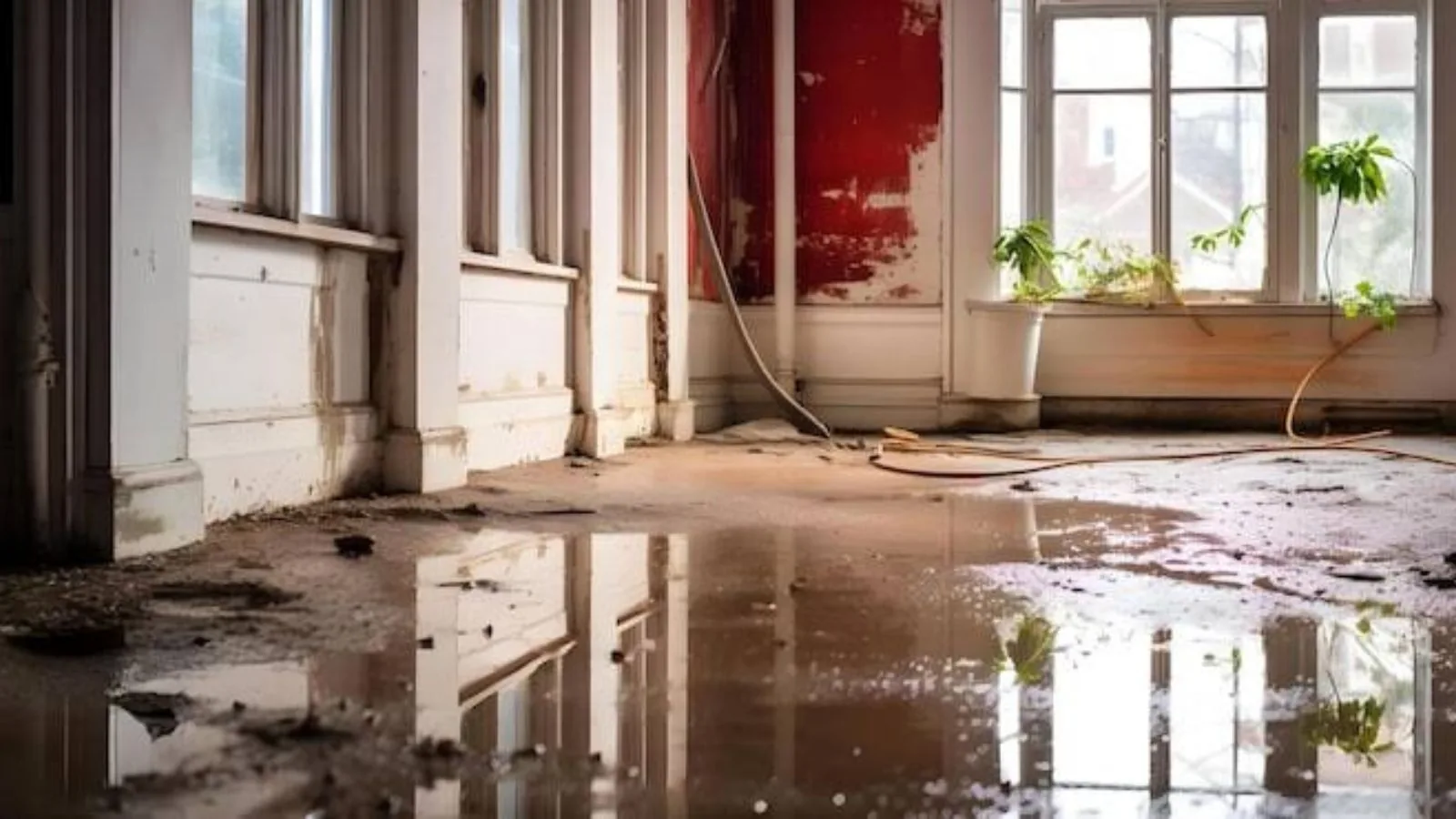
The worst water losses often happen when nobody is home. A supply line fails on the first night of a trip, and by the time you return the water has run for days. A short checklist before you leave and a plan for someone to look in can prevent that.
This guide covers the steps that matter most for a Ridgefield home, whether you travel for a weekend or for the winter.
Before you leave
Know where your main water shutoff is and that it turns. For a trip of several days, shutting off the main limits what a failed line can release. Shut off the supply to the washing machine and the dishwasher if you will be away for long, and check the hoses for bulges, cracks and rust. Replace old rubber hoses with braided ones.
Check under sinks and around the water heater for slow drips. Clean gutters and make sure downspouts carry water away from the foundation.
| Task | Why | When |
|---|---|---|
| Shut off the main water | Limits a failed line | Trips of several days |
| Check appliance hoses | Hoses are a common failure | Before long trips |
| Keep heat on in winter | Protects pipes from freezing | All cold months |
| Clean gutters | Prevents overflow at walls | Fall |
| Arrange a check-in | Someone finds a leak early | Any trip |
Winter trips: keep the heat on
The state insurance commissioner notes that burst pipes from freezing are usually covered when the home is heated properly, so leaving the heat on is both sensible and a matter of policy language. Set the thermostat to a temperature that keeps pipes in exterior walls and unheated spaces above freezing.
Open cabinet doors on exterior walls so warm air can reach pipes. Insulate pipes in garages, attics and crawl spaces. The frozen pipe page explains what happens when a line splits.
Came home to water?
Call the 24/7 line. Stay out of any room with water near outlets, and the crew will explain the scope before work starts.
Arrange a check-in
Ask a neighbor or friend to walk through the house every few days. Tell them where the main shutoff is and what to do if they find water. Leave them your phone number and ours. If you have smart water sensors or a shutoff valve with an alarm, make sure the alerts go to a phone someone is watching.
Photograph the house before you leave. If something happens, a before and after record helps with documentation.
Ridgefield weather and timing
At the Vancouver station, NOAA climate normals record an average January low near 34 degrees, so a long freeze is uncommon, but cold nights happen and averages hide them. A house left without heat is exposed.
Ridgefield's heavy rain months run from November through January, with more than five inches in each. Check gutters and drains before you travel in fall, and report a clogged street drain to Public Works at 360-887-6002.
What to do if you come home to water
Stop the source if you can do it safely, keep away from electrical hazards and photograph everything before moving anything. Then call your insurer and a restoration crew. Early extraction limits what the water reaches. See water extraction for how the first hours go.
Do not turn the power back on in a wet area until it has been checked.
A printable pre-trip list
- Main shutoff located and tested
- Washer and dishwasher hoses checked
- Thermostat set for the season
- Gutters and downspouts clear
- Neighbor has the plan and the phone numbers
- Photographs of the house taken
Smart devices and their limits
Leak sensors and automatic shutoff valves can cut a loss short, but they only help if the alert reaches a person who can act. Test batteries before each trip, place sensors under sinks, behind toilets, beside the water heater and near the washer, and make sure the notification does not go to a phone that is off.
These devices reduce risk and do not remove it. A neighbor who walks through the house is still the most reliable check.
Longer stays and seasonal homes
If the house will sit empty for weeks, consider asking a plumber about draining the lines, and ask your insurer whether your policy has conditions for vacant or unoccupied periods. Some policies limit coverage after a stated number of days, so the wording is worth reading before you go.
Quick fixes that pay off
- Replace old rubber supply hoses with braided ones
- Add a pan under the water heater
- Keep a few feet of clear space around the washer
- Check the caulk around tubs and showers
- Mark the main shutoff with a bright tag
Frequently asked questions
Should I shut off the main water when I travel?
For trips of several days, it is a sound step. It limits what a failed line can release.
Should I leave the heat on in winter?
Yes. It protects pipes, and insurers expect a home to be heated.
What should my neighbor look for?
Wet floors, stains, a musty smell, the sound of running water and a moving water meter.
Are water sensors worth having?
They can give early warning if the alert reaches someone who can act.
What if I come home to a flooded floor?
Stay clear of electrical hazards, photograph the damage and call a restoration crew and your insurer.